Why create a baby gift list: complete guide for new parents
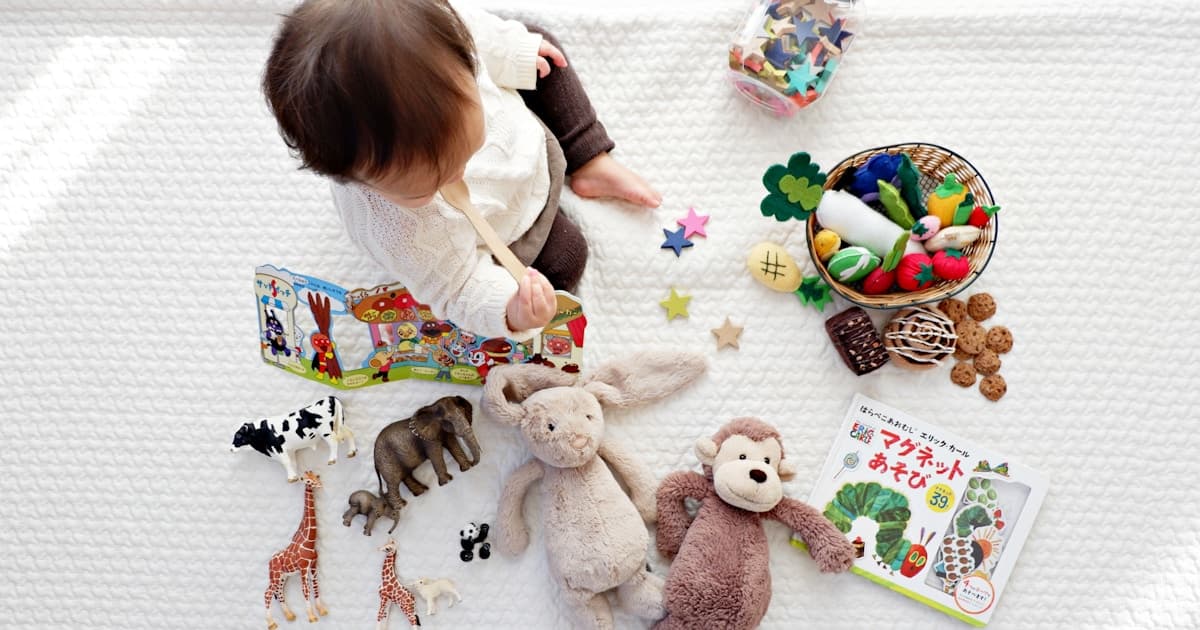
Preparing for a new baby is simultaneously one of life's most exciting and overwhelming experiences. Between researching car seats, comparing cribs, and figuring out how many onesies you actually need, the last thing you want is to receive three baby bathtubs and zero diapers. This is exactly why creating a baby gift list isn't just helpful—it's essential for modern parents.
A well-crafted baby gift list does more than prevent duplicates. It becomes your roadmap through the maze of baby preparation, ensures you're ready for those crucial first months, and helps loved ones feel confident their gifts will truly help your growing family.
The Benefits of Baby Gift Lists
Creating a baby gift list transforms what could be chaos into organized support from your village of family and friends.
Financial Relief During a Costly Time
The numbers are sobering: raising a child through their first year costs an average of $15,000-$20,000. Your baby gift list can significantly offset these expenses. By clearly communicating what you need, you avoid spending money on items others want to give you. This coordination can save new parents thousands of dollars during a time when every penny counts.
Beyond immediate savings, a gift list helps you invest in quality items that last. Instead of buying a cheap stroller yourself while receiving another as a gift, you can pool resources toward one high-quality travel system that will serve you for years.
Eliminating Overwhelm and Decision Fatigue
Pregnancy brain is real, and the sheer volume of decisions facing expecting parents can be paralyzing. How many brands make baby bottles? (Hundreds.) Which car seat is actually the safest? (They all claim to be.) Creating a gift list forces you to research and decide ahead of time, when you're not sleep-deprived with a crying newborn.
Your list becomes your consolidated plan. Instead of making panicked purchases at 2 AM because you realized you don't have nail clippers small enough for tiny fingers, you've thoughtfully selected every item in advance. This preparation reduces stress during those vulnerable early weeks when your focus should be on bonding with your baby, not shopping for forgotten essentials.
Building Your Support Network
A baby gift list does something beautiful—it gives your loved ones a concrete way to help. Friends and family want to support you but often don't know how. Your list transforms their desire to help into meaningful action. Great-aunt Martha feels useful buying the baby monitor. Your college roommate contributes to the diaper fund. Everyone becomes part of your baby's story.
This extends beyond material support. When people contribute to your list, they're emotionally investing in your journey. They'll ask about the items they gave, celebrate milestones with you, and feel more connected to your growing family.
What Every Baby Gift List Should Include
A comprehensive baby gift list covers immediate newborn needs while anticipating the rapid changes of the first year.
Nursery Essentials That Actually Matter
Start with sleep—it's the foundation of everyone's sanity. Your crib is the centerpiece, but don't stop there. Include a firm mattress (softer isn't safer for babies), at least three fitted crib sheets (trust us on this number), and breathable sleep sacks in various sizes to replace loose blankets.
The changing station setup often gets overlooked but becomes command central. Beyond the changing table or dresser-top pad, you need a supply caddy within arm's reach, a wipes warmer (luxury but worth it at 3 AM), multiple changing pad covers, and a diaper pail that actually contains odors. Don't forget the less glamorous but essential items: diaper cream, disposable changing pads for on-the-go, and more wipes than you think humanly possible to use (you will use them all).
A comfortable nursing chair or glider isn't just furniture—it's where you'll spend countless hours feeding, soothing, and bonding. Include a side table for water, snacks, and your phone, plus a soft light for night feeds. These details matter when you're operating on two hours of sleep.
Feeding Supplies for Every Scenario
Whether you're breastfeeding, formula feeding, or combining both, preparation is key. Breastfeeding mothers need nursing pillows for proper positioning, breast pumps (check insurance coverage first), milk storage bags and bottles, nipple cream and cooling pads, and comfortable nursing bras in various sizes.
Formula feeding requires its own arsenal: bottles in different sizes and flow rates, a bottle sterilizer or sterilizing bags, formula dispensers for travel, bottle brushes and drying racks, and a Baby Brezza or similar formula maker for consistency.
Regardless of feeding method, include burp cloths (double whatever number you're thinking), bibs in various styles, and a high chair for when solids begin around six months. Planning ahead saves scrambling later.
The Mobile Baby Setup
Your baby won't stay in the nursery. Create mobile stations throughout your home with pack-and-plays for safe sleep anywhere, bouncy seats or swings for happy wakeful times, play mats for tummy time and development, and baby carriers or wraps for hands-free bonding.
The car travel system deserves special attention. Your infant car seat should be professionally installed, but also consider a car seat mirror for rear-facing visibility, window shades for sun protection, a car seat protector for your upholstery, and extra bases for multiple vehicles.
Don't forget the stroller that fits your lifestyle. Urban parents might prioritize compact folding and maneuverability. Suburban families might want all-terrain wheels and storage. Consider your actual daily life, not Instagram's version of it.
Health and Safety Non-Negotiables
Baby health items aren't exciting gifts, but they're crucial. Your medicine cabinet needs infant acetaminophen and gas drops, a reliable thermometer (rectal is most accurate for newborns), nasal aspirator and saline drops, baby nail clippers or files, and a comprehensive first aid kit.
Modern parents also appreciate tech-enabled health monitoring. Smart baby monitors track breathing and sleep patterns. Wearable thermometers monitor fever throughout the night. These items provide peace of mind worth their weight in gold.
Safety equipment grows with your baby. Start with outlet covers and cabinet locks, but plan for baby gates, corner guards, and drawer latches. Include these on your list early—babies become mobile faster than expected.
Avoiding Duplicate Gifts: The Smart Approach
Nothing deflates baby shower excitement quite like opening the fifth receiving blanket set. Here's how to ensure every gift counts.
Use Technology to Your Advantage
Platforms like Liiste offer real-time updates that show when items are purchased. This instant synchronization means Grandma in Florida and your coworker see immediately when someone buys the baby bathtub. No more duplicate drama.
But technology goes beyond preventing doubles. Use your platform's analytics to see what's popular and what's being ignored. If nobody's buying the practical items like diapers, consider highlighting them or adjusting your list balance.
Strategic Item Selection
Instead of adding "baby clothes," be specific: "Carter's 5-Pack Short Sleeve Bodysuits, 3-6 months, neutral colors." This precision prevents the common problem of receiving dozens of newborn outfits that fit for approximately three days.
For items you want multiples of—like diapers, wipes, or feeding supplies—explicitly state quantities needed. "Diapers Size 1 (8-14 lbs) - Need 10 packs" is clear and actionable. Contributors know they're not duplicating; they're fulfilling a stated need.
Consider creating bundles or themes. Instead of listing individual bath items, create a "Bath Time Bundle" with specific products. This gives gift-givers the satisfaction of completing a whole category while ensuring you get coordinated items that work together.
Communication Is Prevention
Be proactive in your messaging. When sharing your list, explicitly mention that it updates in real-time. Remind people to check the list before purchasing, even if they checked last week. Things change quickly as your shower approaches.
If someone mentions they already bought something off-list, update your list immediately to reflect this. Add a note: "Already received—thank you!" This transparency prevents others from duplicating the off-list gift while showing appreciation.
Setting Up Contributions for Big-Ticket Items
Not everyone can afford a $1,200 travel system, but many people can contribute $50 toward it. Group contributions democratize generosity.
Making Expensive Items Accessible
Enable partial payments on big-ticket items like cribs and travel systems, nursery furniture sets, high-end baby monitors, and breast pumps not covered by insurance. Clearly mark these items as accepting group contributions and show progress toward the goal.
Set realistic contribution minimums—$25 is typically comfortable for most budgets. Seeing progress bars fill up creates momentum and excitement. Early contributors inspire others to join in.
The Psychology of Group Gifting
People love being part of something bigger. Frame group contributions positively: "Help us get the safest car seat!" rather than "Car seat (expensive)." Share why you chose this specific item—safety ratings, longevity, special features that matter to your family.
Consider creating "funds" for flexible needs. A "Diaper Fund" or "Formula Fund" acknowledges ongoing expenses. A "Parent Sanity Fund" (for takeout during those exhausting first weeks) adds humor while addressing a real need. These funds are perfect for distant relatives or coworkers who want to contribute but don't want to research specific products.
Transparency Builds Trust
When accepting cash contributions, be clear about how funds will be used. If you're saving for a specific item, share that goal. If you're building an emergency baby supply fund, explain what that might cover. This transparency helps givers feel confident their money is going toward real needs.
Follow up with contributors about how their group gift is being used. A photo of the assembled crib with a note: "Thank you all for making our nursery dream come true!" makes everyone feel part of your joy.
Sharing Your List with Family and Friends
Creating a perfect list means nothing if people don't know about it. Strategic, thoughtful sharing ensures maximum participation without seeming pushy.
Timing Your Announcement
The sweet spot for sharing your baby gift list is around 20-24 weeks of pregnancy. This gives people plenty of time to plan while ensuring you're past the highest-risk period. If you're having a baby shower, share the list with invitations, about 6-8 weeks before the event.
For surprise showers (where you're not supposed to know), have a trusted friend or family member share your list. They can naturally mention it when people ask about gift ideas, maintaining the surprise while ensuring you get what you need.
Crafting Your Message
Your announcement should be warm and inclusive. Try something like: "We're over the moon preparing for our little one's arrival in [month]! So many of you have asked how you can help, and honestly, your love and support already mean everything. For anyone interested in gift ideas, we've created a baby registry to help us prepare. You can find it at [your Liiste URL]. We can't wait to introduce you to our newest family member!"
Notice how this message expresses gratitude first, acknowledges that gifts aren't expected, and provides clear information without pressure.
Multi-Channel Approach
Different generations prefer different communication methods. Cover your bases by sharing via email to close family and friends with a personal note, including your Liiste URL on shower invitations, posting in private family Facebook groups or group chats, and having physical cards with the URL for less tech-savvy relatives.
For work showers, have a colleague share the list rather than promoting it yourself. This maintains professional boundaries while ensuring coworkers who want to contribute can find your list.
Cultural Sensitivity
Different cultures have varying traditions around baby gifts. Some cultures wait until after birth to give gifts. Others have specific gift-giving ceremonies. Be mindful of these differences in how you share your list and what you include.
If you have international friends and family, ensure your list includes items that ship globally or offer direct payment options for contributions. Liiste's direct payment feature is perfect for international gift-givers who want to avoid shipping costs and delays.
Managing Gifts from Different Budget Ranges
A successful baby gift list accommodates everyone from college students to generous grandparents.
The Under-$25 Category
Include plenty of affordable essentials that add up: individual packs of diapers or wipes, single bottles or pacifiers, board books for baby's library, individual burp cloths or bibs, small toys or teethers, and travel-size baby care products.
These items are perfect for coworkers, distant relatives, or friends on tight budgets. Having numerous small-ticket items ensures everyone can participate regardless of financial situation.
The $25-75 Sweet Spot
This range is comfortable for most gift-givers and should comprise the bulk of your list. Include items like swaddle sets, baby clothes in various sizes, bottle sets or feeding accessories, baby care kits, books and developmental toys, and smaller nursery decor items.
These mid-range gifts feel substantial without breaking anyone's budget. They're ideal for friends, cousins, and coworkers who want to give something meaningful.
The Splurge Items
Don't be shy about including expensive items—just be strategic. Grandparents, close family members, or groups of friends often want to give something significant. Include 5-10 high-ticket items like the crib and mattress, travel system, glider chair, baby monitor system, or high chair.
Enable partial payments on these items so multiple people can contribute. This makes expensive items accessible while allowing those who want to cover the full cost to do so.
Creating Balance
Aim for a distribution of 40% under $25, 40% $25-75, 15% $75-150, and 5% over $150. This ensures options for everyone while prioritizing accessible price points. Remember, you can always add more items if certain categories empty out quickly.
Post-Birth List Updates
Your baby gift list shouldn't end at delivery. The first year brings constant changes and new needs.
Immediate Post-Birth Additions
After birth, you'll quickly discover what you actually need more of. Update your list with reality-based items like specific formula if breastfeeding doesn't work out, more clothes in the size your baby actually wears, specific soothing items that work for your baby, medication or supplies for any unexpected health needs, and convenience items you didn't know you needed.
Be honest about these changes. "Now that baby is here, we've discovered she lives in sleep sacks and we need more!" helps gift-givers feel their contributions are truly useful.
Milestone-Based Updates
As your baby grows, their needs change dramatically. Update your list for 3-month milestones (sitting support, activity centers), 6-month transitions (high chair, sippy cups, solid feeding supplies), 9-month mobility (baby-proofing, push toys), and first birthday preparations (toddler items, walking shoes).
These updates give people who missed the initial shower opportunities to contribute. They're especially appreciated by distant relatives who want to mark milestones with meaningful gifts.
Seasonal Adjustments
Babies born in summer need different items by winter and vice versa. Update your list with seasonal clothing in appropriate sizes, weather-appropriate gear (bunting, sun hats), seasonal safety items (humidifiers, fans), and holiday-specific needs.
This ongoing curation ensures your list remains relevant and useful throughout the entire first year, not just the newborn phase.
Thank You Note Management
Gratitude is the final crucial element of successful gift list management.
Systematic Tracking
As gifts arrive, maintain a spreadsheet tracking the giver's name, gift received, date received, and thank you note sent date. This prevents the embarrassment of forgetting someone or thanking them twice for the same gift.
Liiste helps by maintaining a record of contributions, but you should keep your own backup for off-list gifts and personal notes you want to remember.
Timely Responses
Send thank you notes within two weeks of receiving a gift, if possible. For shower gifts, aim to send notes within a month of the event. Yes, you're exhausted with a newborn, but people understand brief notes during this time. A simple "Thank you for the beautiful blanket. Baby loves snuggling in it during feeds. Your thoughtfulness means so much" is perfect.
For group contributions, send individual notes to each contributor, mentioning the collective gift. "Thank you for contributing to our travel system. Knowing baby will be safe on every adventure means everything."
Digital vs. Traditional
While handwritten notes are traditional, digital thanks are increasingly acceptable, especially for online contributions. What matters most is that gratitude is expressed promptly and personally. A heartfelt email beats a generic card sent months late.
Consider sending photo updates showing gifts in use. A picture of baby in the outfit someone gave or sleeping in the crib funded by group contribution makes your gratitude tangible and creates lasting connections.
Making It Personal: Your Family's Unique Needs
While this guide provides comprehensive basics, your baby gift list should reflect your specific situation.
Special Circumstances
Parents of multiples need everything multiplied—but not necessarily identical items. NICU parents might need different sizes and specialized items. Parents with disabilities might prioritize adaptive equipment. Include items that address your unique situation without feeling obligated to explain personal details.
Lifestyle Considerations
Urban parents might prioritize compact, multi-functional items. Rural families might need more travel-related gear. Work-from-home parents might want better baby-wearing options. Athletes might include jogging strollers. Let your real life, not an idealized version, guide your choices.
Values-Based Selections
If sustainability matters to you, include eco-friendly and secondhand options. If you're minimalist, focus on multi-use items. If you love technology, embrace smart baby gear. Your list should reflect your values—it makes gifts more meaningful and ensures you'll actually use what you receive.
Start Your Baby Gift List Journey Today
Creating a baby gift list is an act of preparation, community building, and self-care all rolled into one. It transforms the overwhelming task of baby preparation into a manageable, even enjoyable process. More importantly, it allows your loved ones to support you in meaningful, practical ways during one of life's biggest transitions.
Remember, there's no perfect list—only the list that's perfect for your family. Start early, be specific about your needs, stay flexible as you learn, and express gratitude generously. Your baby gift list is more than a registry; it's the foundation of your village's support as you embark on parenthood.
Ready to create a baby gift list that actually works for modern parents? Liiste makes it simple to build, share, and manage your list while accepting direct contributions that go straight to you—no store credit, no restrictions. Join thousands of expecting parents who've discovered the freedom and flexibility of online gift lists.
Create Your Free Baby Gift List on Liiste →
Your journey into parenthood deserves support that actually helps. Start your baby gift list today and let your village surround you with exactly what you need for the adventure ahead.